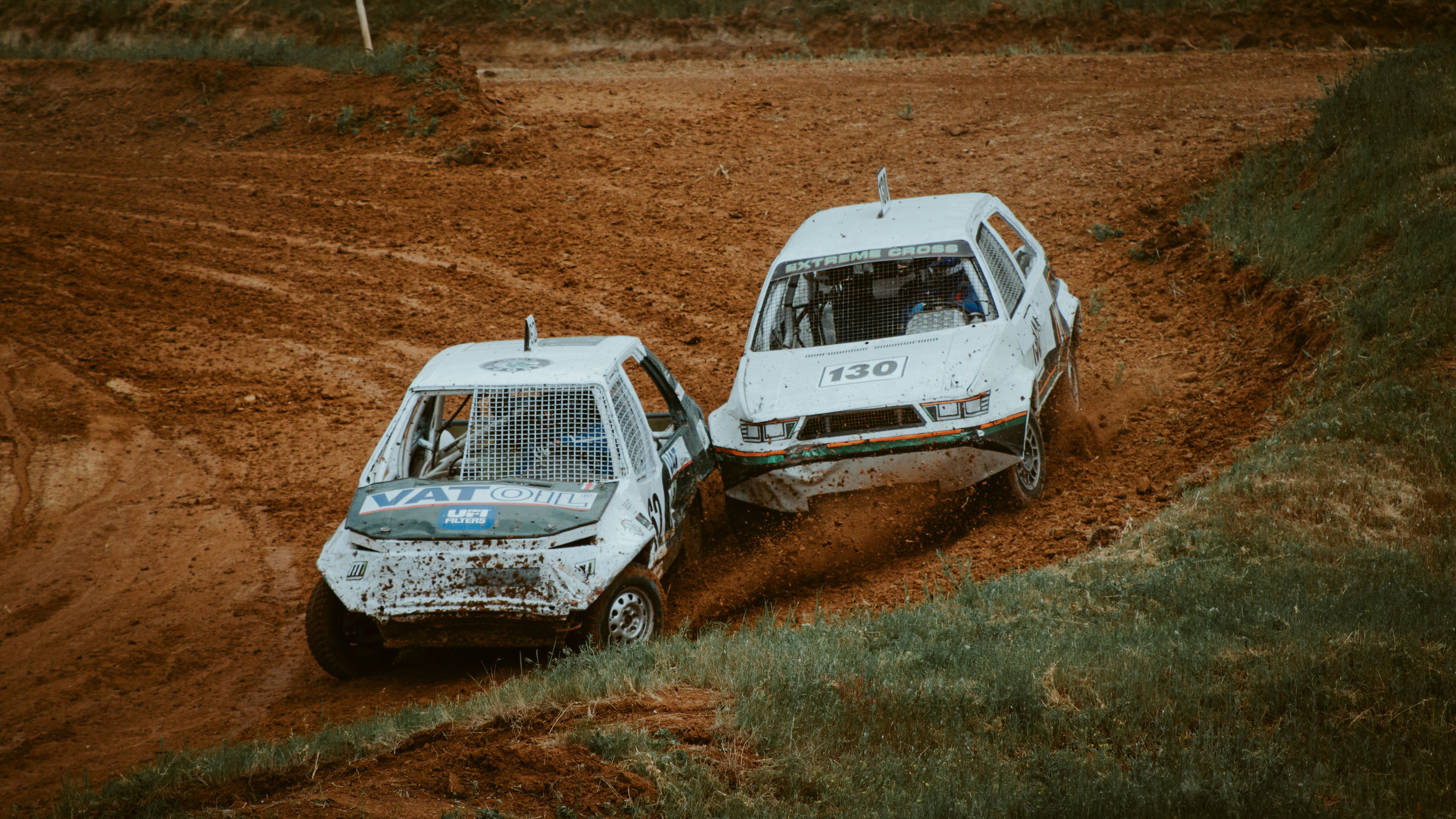
It has been quite a roller-coaster ride since November 2022, when OpenAI released ChatGPT to an unsuspecting world. This week, the Anthropic CEO issued an appeal for the AI industry to “slow down”. Recently, a former Anthropic employee, Jacob Coxon, predicted that AI could lead to the extinction of the human race by 2030 if development continues unchecked.
Perhaps it is time for us to take a pause, and think about what we are doing.
What are we, as ordinary software engineers and developers to do? Many are afraid of being “left behind”, as our social media feeds are flooded with success stories of engineers deploying Claude and similar models. Power users are running thousands of agents simultaneously across huge code repositories. Then we read the horror stories of AI agents escaping their safety barriers and gaining control of machines belonging to other companies.
However, this is not a “doom and gloom” article, quite the opposite.
At Pathway Technologies we believe that there is another road (a “pathway”, if you like), where the best of human capabilities can be augmented by the best of AI. We have been hard at work on our concept of “The AI-Augmented Engineer”, where engineers can gain from their use of AI, without the loss of engineering discipline. Pathway Technologies is a standards and compliance focused company, so we are highly dependent on procedures and best engineering practices. However, software development in the 21st Century follows a well-established pattern that should be familiar to most developers, even those not working in industries requiring strict compliance:
- We are probably all using git (or another code repository), with good engineering discipline in the use of feature branches. Tools like gitlab and github allow us to follow a process of code review, automated testing and merge requests so that the main development branch remains clean.
- The human code review, combined with static analysis tools, forms the backbone of a strong review process.
- A well-maintained test suite with good code coverage allows for regression testing before any changes are committed to the main branch.
The key principle behind the AI-Augmented Engineer is that software development before AI got involved was based on the principle that humans make mistakes, and we developed ways of working to address this. We had teams of engineers, with junior and senior developers, and we mentored junior developers to help them to hone their skills. None of that should change now that we have AI in our toolbox.
We do need to recognise that AI tools are different from traditional, deterministic tools, and we do need to learn new ways to work with them. Perhaps the answer is to treat AI-enabled tools the same way we might treat a junior developer: we apply the same review, testing and analysis methods, and ensure that ultimately, the responsibility lies in the hands of a human engineer.
We can regain control of software development, not by jumping into AI blindly, hoping that it produces top-quality code. Rather, we should recognise that AI tools can be excellent at:
- Basic implementation
- Refactoring and the inevitable repair that follows
- Boilerplate generation
- Drafting documentation
AI-driven tools can significantly lower the cost of implementation, but humans still bring something that AI cannot. We have seen this at Pathway Technologies, as we have been implementing these ideas.
Engineering judgement remains vital in our industry, and this is where our human uniqueness and excellence now have room to grow:
- System modelling and architecture
- Providing experience-based engineering judgement
- Making connections with our inherently creative minds
We should not ignore AI, but neither should we fear it. It is another tool, and like all tools, it allows us to achieve far more than we can achieve without it. The future does not belong to engineers who ignore AI, and neither does it belong to those who blindly embrace it. Rather, the future belongs to those who learn to combine human judgement with AI’s capabilities.
Come on in, the water’s fine.